
Neurological conditions can make everyday movements feel uncertain and frustrating. That’s why neurological physiotherapy in Aylesbury focuses on restoring your balance, strength, and confidence through tailored care. This guide explains how expert assessment and personalised treatments can help you manage symptoms, improve mobility, and reduce falls risk. Keep reading to learn how Physio Healing Hands supports your recovery every step of the way. For more information, check out this comprehensive guide.
Understanding Neurological Physiotherapy
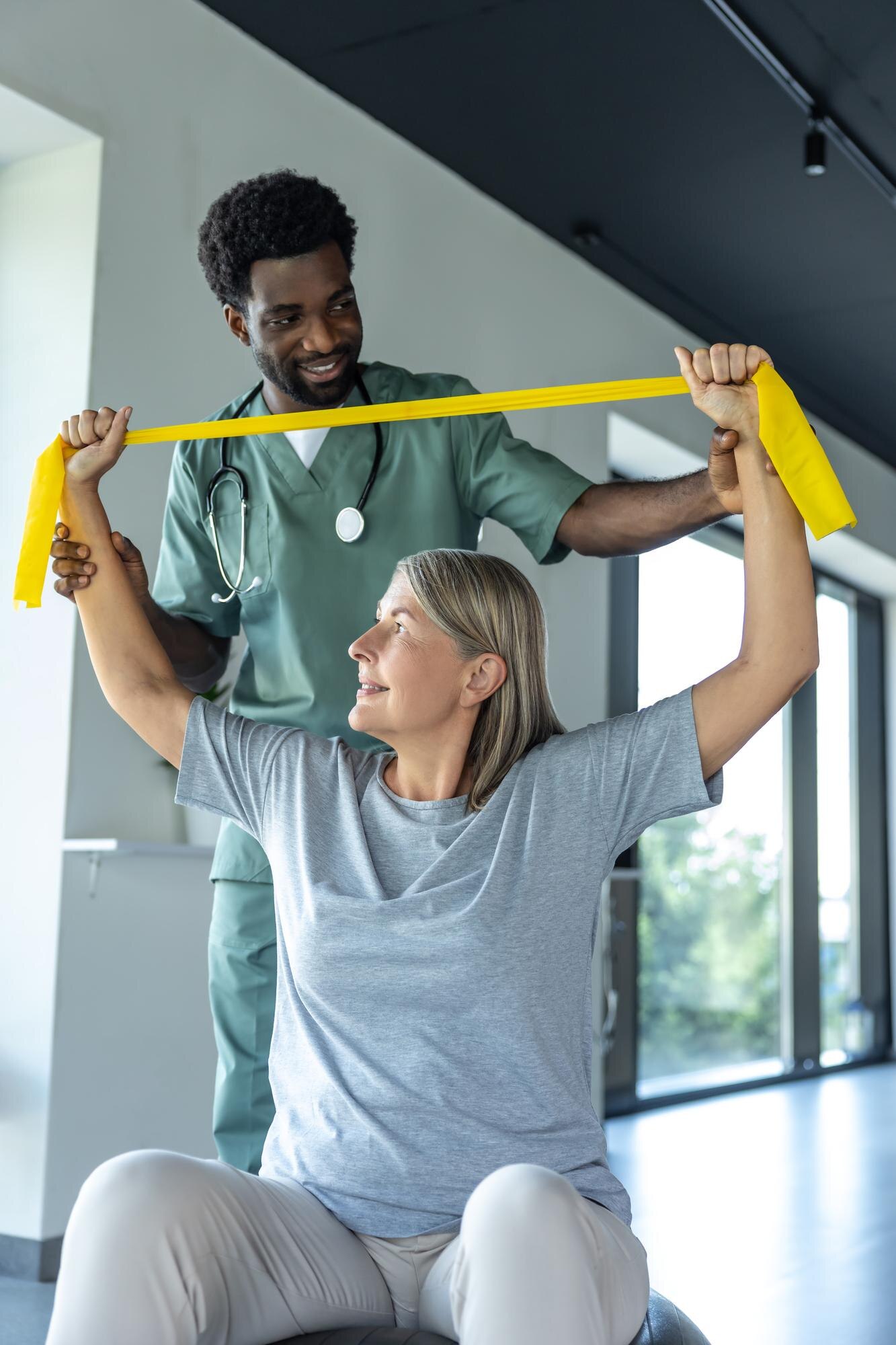
Neurological physiotherapy can transform lives by addressing conditions that impact movement and balance. Let’s dive into what this therapy covers and its benefits.
Conditions Treated in Aylesbury
In Aylesbury, neurological physiotherapy addresses a range of conditions. Stroke, Parkinson’s, and multiple sclerosis are just a few examples. Each condition presents unique challenges, but the goal remains the same: help you regain independence and ease. Whether you’re facing dizziness or a balance disorder, tailored techniques can make a significant difference.
Many residents find relief from dizziness and balance issues through targeted therapies. These therapies focus on restoring the body’s natural ability to move and function. By addressing the root causes of these symptoms, you can experience improvements in daily activities.
Curious about the specifics? Stroke rehabilitation is a key area with proven outcomes. Techniques are adapted to each person’s needs, ensuring maximum benefit. For more detailed information, you can explore this detailed explanation.
Role of Neuroplasticity in Recovery
Neuroplasticity is like your brain’s superpower. It allows the brain to adapt and reorganise itself, which is crucial for recovery. After an injury or illness, neuroplasticity helps your brain learn new ways to function. This adaptability is what makes recovery possible even after significant neurological events.
Imagine your brain forming new pathways as you practice movements. This happens through repetitive exercises that encourage these changes. Neuroplasticity exercises are designed to harness this ability, promoting healing and improved movement.
The beauty of neuroplasticity is that it opens doors to recovery that might seem closed. With consistent effort, your brain can develop new ways to control movement, providing hope and progress.
Importance of Personalised Treatment Plans
Every person is unique, and so is their recovery journey. Personalised treatment plans ensure that the care you receive targets your specific needs. This tailored approach increases the chances of success, focusing on the areas that matter most to you.
A personalised plan might include a mix of manual therapy, neuroplasticity exercises, and other techniques. By addressing your unique challenges, you get a plan that aligns with your goals. This approach not only improves outcomes but also empowers you to take control of your health.
By understanding your specific condition and goals, therapists can create a plan that truly supports your recovery. Personalisation is key to effective treatment, ensuring you receive the best possible care.
Key Therapies and Techniques

Explore the therapies that make neurological physiotherapy effective. These techniques address the core issues, helping you regain control and confidence.
Balance and Vestibular Rehabilitation
Balance is often taken for granted until it’s compromised. Vestibular rehabilitation aims to restore this balance, reducing dizziness and instability. Through targeted exercises, you can retrain your brain to manage balance more effectively.
The process involves a series of movements designed to challenge your balance system. These exercises encourage your brain to adapt, improving coordination and stability. Over time, many find their dizziness lessening and their confidence growing.
A significant part of this therapy is consistency. Regular practice leads to significant improvements. By dedicating time to vestibular exercises, you can experience a noticeable reduction in symptoms.
Gait Training and Falls Prevention
Walking confidently can feel like a distant dream, but gait training makes it achievable. This technique focuses on improving your walking pattern to prevent falls. By analysing your movement, therapists can identify and correct imbalances.
Falls prevention is critical, especially if you’ve experienced previous falls. Through specific exercises, your body learns safer ways to move and react. This training helps you navigate daily life with less risk and more assurance.
Gait training often combines different methods, each targeting a specific aspect of movement. With continued practice, you can improve your stride and reduce the likelihood of falls.
Spasticity Management and Neuroplasticity Exercises
Spasticity management addresses muscle stiffness and spasms. By utilising specific exercises, therapists help reduce these symptoms. This management leads to increased comfort and improved movement.
Neuroplasticity exercises support this by enhancing the brain’s adaptive abilities. These exercises encourage new neural pathways, promoting better control over your muscles. Together, these techniques provide a comprehensive approach to managing spasticity.
Treatment may include stretching, strengthening, and motor control exercises. Each element works together to improve your quality of life, offering relief and mobility. For further insights into these techniques, you might find this resource helpful.
Booking and Assessment Process

Understanding how to begin your physiotherapy journey is the first step. Here’s a look at the booking and assessment process, setting you on the path to recovery.
How to Book Your Assessment
Getting started is easy. Booking an assessment is the first step toward personalised care. You can reach out to Physio Healing Hands to schedule your initial consultation. During this session, therapists assess your specific needs, forming the basis of your treatment plan.
This assessment is crucial for understanding your condition and setting realistic goals. By evaluating your current state, therapists can determine the best approach for your recovery.
Don’t wait—contact us today to start your journey towards improved mobility and confidence.
Home Visit Physiotherapy in Aylesbury
Sometimes, coming to the clinic isn’t possible. That’s where home visit physiotherapy comes in. This service brings expert care to your doorstep. It ensures that you receive the treatment you need, without the stress of travel.
Home visits provide a comfortable and convenient way to continue your therapy. Therapists bring all necessary equipment, creating an effective treatment environment in your home. This option is ideal for those with mobility challenges or busy schedules.
With home visits, you can continue progressing without interruption. It’s a flexible and supportive way to maintain your recovery journey.
Expected Outcomes and Continued Care
What can you expect from your physiotherapy journey? Improvement in symptoms, increased mobility, and enhanced quality of life. Regular assessments ensure your treatment evolves with your needs, delivering continued care and support.
Continued care involves regular check-ins and adjustments to your treatment plan. This approach ensures that you’re always receiving the most effective therapy possible. As your condition changes, your therapy adapts, keeping you on the path to recovery.
The journey doesn’t end with initial improvements. Ongoing care is essential for maintaining progress and preventing setbacks. By staying committed to your treatment, you can achieve lasting benefits.
In conclusion, neurological physiotherapy offers a path to regain control and confidence. With tailored care and expert support, you can overcome challenges and enjoy a better quality of life.