
Feeling unsteady or dizzy can make everyday tasks feel risky and frustrating. When balance falters, simple movements might lead to falls or discomfort, affecting your confidence and independence. At Physio Healing Hands in Aylesbury, balance disorder treatment combines thorough assessment with proven therapies like vestibular rehabilitation and tailored exercises to help you regain control. Read on to learn how expert care can restore your stability and improve your quality of life. For more insights, you can explore these effective exercises.
Understanding Balance Disorders

Balance disorders can disrupt daily life, but understanding them is a step toward finding effective solutions. These disorders often cause dizziness or unsteadiness, affecting your confidence.
Common Causes of Dizziness
Dizziness can stem from various factors, and pinpointing the cause is crucial. Inner ear problems are a frequent trigger. When this delicate system malfunctions, you might feel like the room is spinning. An example is BPPV, where tiny calcium particles move within the ear’s canals. Another cause can be low blood pressure, leading to lightheadedness, especially when standing too quickly.
Another overlooked culprit is dehydration. When your body lacks fluids, it struggles to maintain blood pressure, causing dizzy spells. Medications can also play a role, with side effects impacting your balance. For instance, some blood pressure drugs might cause dizziness as a side effect.
Signs of Balance Disorders
Identifying a balance disorder early can prevent complications. Common signs include frequent falls or feeling like you might fall. If you notice you’re holding onto walls or furniture more often, it’s time to take note. These can indicate balance issues that need attention.
Vertigo is another sign, often described as a spinning sensation. Blurred vision or feeling disoriented in crowded places are also red flags. If you experience these symptoms, don’t brush them aside. Addressing them promptly can prevent more severe consequences.
Evidence-Based Treatments
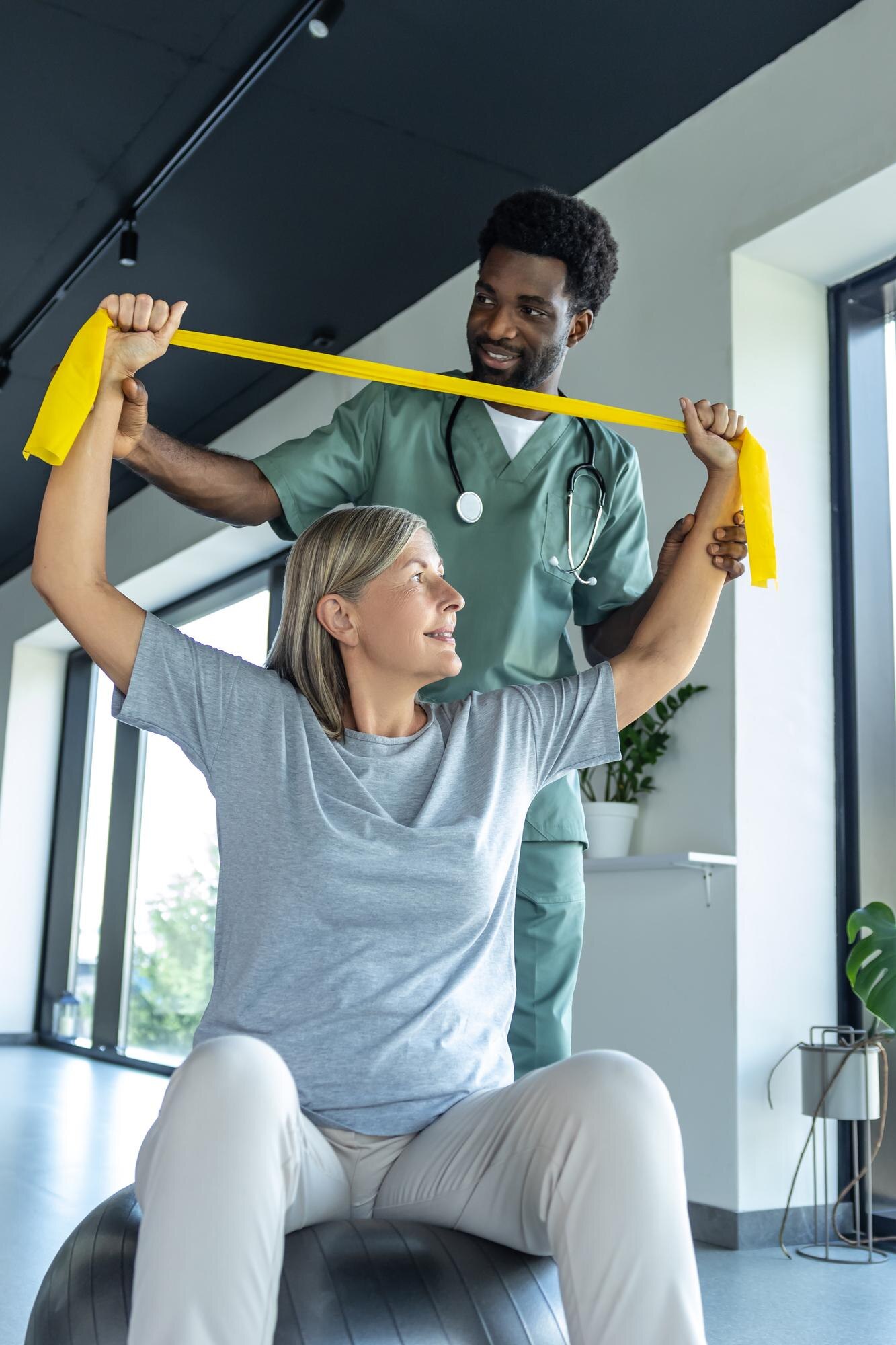
Moving from identifying balance disorders to seeking treatment can significantly enhance your quality of life. Effective treatments are available to help you regain stability.
Vestibular Rehabilitation Techniques
Vestibular rehabilitation focuses on retraining your balance system. This is achieved through specific exercises designed to reduce dizziness and improve stability. One popular technique is the Epley manoeuvre, which helps reposition debris in the ear canals. This simple manoeuvre can offer immediate relief.
Gaze stabilisation exercises are another technique. These exercises involve focusing on a stationary object while moving your head. Over time, this helps improve your ability to maintain focus while in motion, reducing dizziness. For more information on vestibular techniques, visit Cleveland Clinic’s guide.
Neurological Physiotherapy Approaches
Neurological physiotherapy targets issues within the nervous system affecting balance. Conditions like Parkinson’s disease or stroke can benefit significantly from this approach. Specific exercises focus on improving muscle strength and coordination, crucial for balance.
For instance, Parkinson’s balance training includes exercises to enhance posture and reduce falls. These can be tailored to individual needs, ensuring optimal results. Similarly, stroke rehabilitation balance exercises aim to restore function, allowing for greater independence.
Practical Balance Exercises

Incorporating balance exercises into your routine can significantly improve your stability. These exercises can be done at home, providing convenience and accessibility.
Balance Exercises at Home
Simple exercises can make a big difference in your balance. Tandem walking involves placing one foot directly in front of the other, like walking a tightrope. This exercise challenges your stability, enhancing your balance over time.
Single-leg balance is another effective exercise. Stand on one leg for 10-15 seconds, then switch. This strengthens the muscles involved in maintaining balance. Incorporate these exercises into your daily routine for best results. For more exercises, check NHS balance exercises.
Gait and Falls Prevention Tips
Preventing falls is crucial for maintaining independence. Focus on improving your gait, or the way you walk. Ensuring a steady pace and conscious foot placement can reduce the risk of tripping.
Consider implementing proprioception training, which enhances your body’s awareness of its position. Simple activities like walking on uneven surfaces can sharpen this sense. Additionally, ensure your home is free from tripping hazards, such as loose rugs or cluttered walkways.
By understanding and addressing balance issues, you can regain control and confidence in your daily life. If you’re experiencing dizziness or unsteadiness, seeking professional help at Physio Healing Hands in Aylesbury can provide the support and expertise needed to restore your balance.